
Akara: crisp black-eyed pea fritters, the way my mother made them
Light, crisp akara made from peeled black-eyed peas whipped with onion and hot pepper, fried by the spoonful. How to peel the beans, whip the batter and serve them.
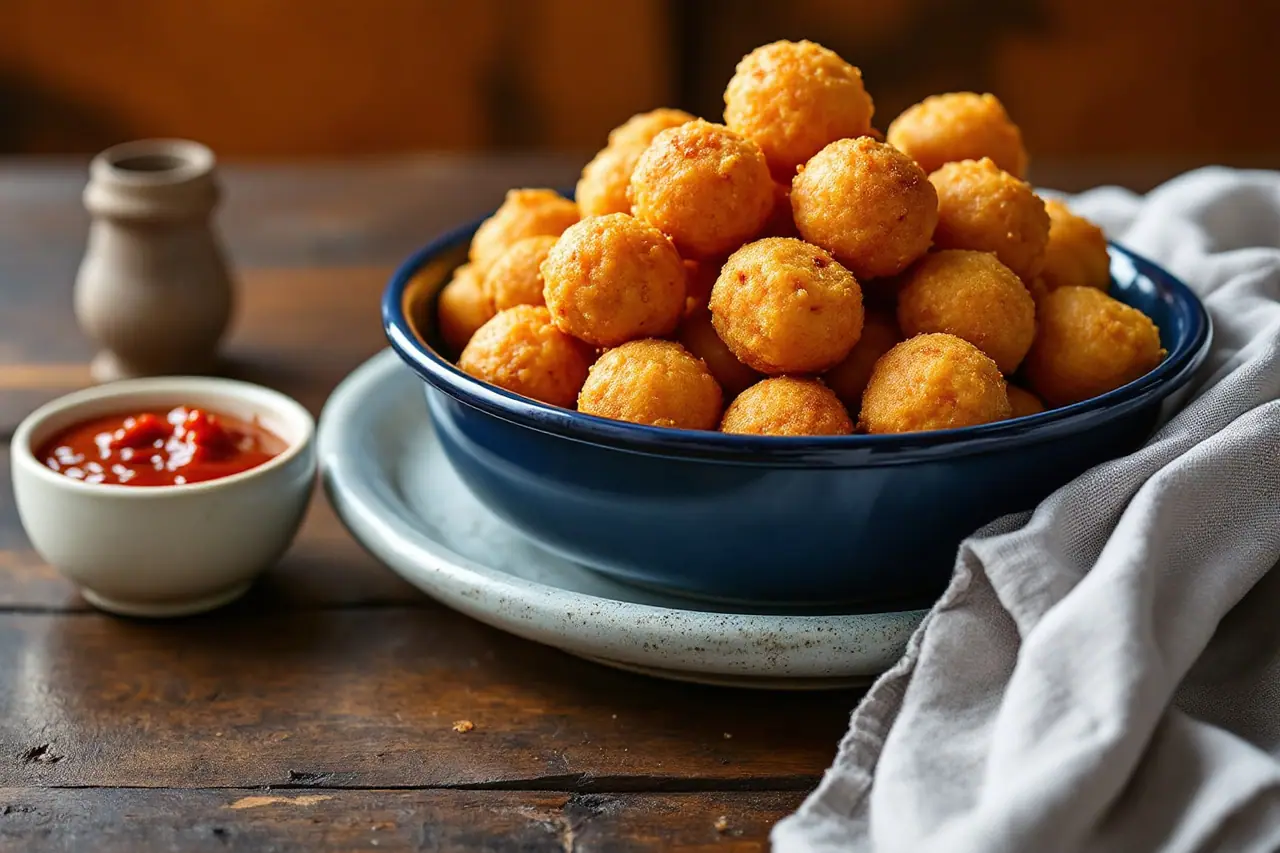
On Saturday mornings in our London flat, my mother made akara. The beans had soaked overnight in a big bowl on the counter, and by the time the rest of us woke up she was rubbing the skins off them in water, a sound like gravel being washed. Then came the blender, roaring, and the smell of onion and pepper, and finally the hiss of spoonfuls of pale batter hitting hot oil. We ate them standing up, too hot to hold, while cousins arrived and more batter went in.
Akara are fritters made from black-eyed peas (also called beans, cowpeas or "beans" in a Nigerian kitchen) that are soaked, peeled, blended with onion, hot pepper and salt, then whipped until light and fried in spoonfuls. They are eaten across West Africa: in Nigeria as akara, in Ghana as koose, and in other places under other names. In Brazil, the same fritter travelled with West African people and became acarajé, a famous street food of Bahia, split and filled with spicy shrimp paste. This is my mother's way, more or less, which means it is one family's version among millions.
The beans and why they must be peeled
Akara are made from dried black-eyed peas, not canned. The skins have to come off, because they make the fritters dark, heavy and gritty, and they stop the batter from whipping up light. This is the one part that takes patience, and there is no way around it.
Soak the dried peas in plenty of cold water for 20 minutes to an hour, just until the skins loosen and wrinkle. Some people soak them overnight, which also works; the skins come off a little more easily but the peas get softer.
Then the peeling. Put a handful of soaked peas between your palms in the bowl of water and rub them together firmly, the way you would rub your hands to warm them. The skins slip off. As you go, the loose skins float; tip the water gently to pour them away, top up with fresh water, and keep rubbing. After a few rounds, most of the peas will be white. Pick out any stubborn ones and pinch their skins off by hand, or leave a few; nobody minds.
A faster trick my aunt swore by: pulse the soaked peas in a blender or food processor with water for one or two seconds, just enough to crack them without grinding. The skins split away and float off much more easily. Do not overdo it, or you will have mush.
Peeling a cup and a half of dried peas takes me about 15 to 20 minutes. It is a good job to share with a child or a patient friend.
Blending
Drain the peeled peas well. Put them in a blender with chopped onion, a hot pepper (scotch bonnet is traditional and very hot; use half, or a milder chili, to taste), and only a very small amount of water, a few tablespoons, just enough to get the blades moving. This is important. Too much water and the batter will be runny, the akara will spread in the oil and soak up grease, and they will not puff.
Blend until smooth and thick, scraping down often. The batter should look like a very thick, pale paste, something you could almost scoop with your fingers. If your blender struggles, add water a teaspoon at a time.
Whipping, the secret to light akara
Here is the step that makes the difference between dense akara and light ones. Tip the batter into a bowl and whisk it hard, with a wooden spoon, a whisk or a hand mixer, for 3 to 5 minutes. My mother used a wooden spoon and her whole arm. You will see the batter change: it gets paler, fluffier, and increases in volume as air is beaten in. That air is what makes akara puff up in the oil with a soft, airy inside.
Add the salt only now, after whipping, right before you fry. Salt added too early can thin the batter. Taste a little and adjust; it should be well seasoned.
Some cooks add a little chopped onion or crayfish powder to the batter at this point. Both are good. I keep it plain.
Frying
Heat about 2 inches (5 cm) of neutral oil in a deep, heavy pot to 350°F (175°C). Traditionally the oil might be palm oil or groundnut oil; vegetable oil works well.
Use a large spoon to scoop batter, and push it into the oil with a second spoon or your finger, close to the surface so it does not splash. Fry four or five at a time, without crowding. They will sink a little, then float and puff. Turn them as they brown, so they cook evenly, for about 4 to 5 minutes in total, until deep golden all over and crisp.
Drain on a wire rack or a plate lined with paper towels. Test the first one before you fry the whole batch: break it open and check that the inside is cooked through, soft and airy, not wet. If the outside browns before the inside cooks, lower the heat a little. If it spreads into a flat pancake, the batter is too thin; whip it more, or add a spoonful of peeled, blended peas.
A batch made with 1 1/2 cups (about 250 g) of dried peas makes roughly 24 fritters at about 2 tablespoons of batter each, enough for four to six people as breakfast with something to go alongside.
The recipe
Akara (black-eyed pea fritters)
- Makes
- About 24 fritters, serves 4 to 6
- Prep
- 45 min
- Cook
- 25 min
- Total
- 1 hr 10 min
Ingredients
Batter
- 1 1/2 cups250 g dried black-eyed peas
- 1/2 medium1/2 medium (about 75 g) yellow onion, roughly chopped
- 1/2 to 1 scotch bonnet or habanero pepper, seeded for less heat (or a milder chili)
- 2 to 4 tbsp30 to 60 ml water, only as needed for blending
- 1 tsp1 tsp (about 5 g) fine salt, or to taste
- 2 tbsp finely chopped onion (optional)
For frying
- about 6 cupsabout 1.5 liters neutral oil, groundnut oil or a mix with some palm oil
To serve
- as you like pap (ogi), custard, soft bread rolls or a pepper sauce
Method
- Soak the dried peas in plenty of cold water for 20 minutes to 1 hour, until the skins wrinkle and loosen.
- Rub handfuls of peas firmly between your palms under the water to slip off the skins. Pour away the floating skins, add fresh water and repeat until most peas are white.
- Drain well. Blend the peeled peas with the onion, pepper and just enough water to move the blades, scraping down often, until smooth and very thick.
- Tip the batter into a bowl and whisk or beat it hard for 3 to 5 minutes, until paler, fluffy and slightly increased in volume.
- Heat 2 inches (5 cm) of oil in a deep, heavy pot to 350°F (175°C).
- Stir the salt and the chopped onion, if using, into the batter. Fry one test fritter and check the inside is cooked and airy.
- Scoop about 2 tablespoons of batter for each fritter and slide it into the oil with a second spoon. Fry 4 or 5 at a time for 4 to 5 minutes, turning, until deep golden.
- Drain on a rack or paper towels and serve hot.
Cook's notes
- If the fritters spread flat, the batter is too thin; beat it longer before frying.
- Leftover akara reheat well in a 375°F (190°C) oven or an air fryer for 5 to 6 minutes.
What to eat with akara
In Nigeria, akara is very often a breakfast food, eaten with pap (ogi), a smooth fermented corn porridge, or with custard, which in Nigerian homes usually means the thick, sweet, custard-powder kind. The soft, sour-sweet porridge and the crisp, peppery fritters are made for each other. Akara also goes into a soft bread roll for an "akara and bread" sandwich, a hugely popular street breakfast, and it is wonderful with a spicy pepper sauce on the side.
In our house now, outside Baltimore, my children eat them with custard on weekends and with ketchup on weekdays, and I have decided not to fight about it.
A simple pepper sauce for dipping
When there are adults at the table, I put out a quick pepper sauce. Blend two ripe red bell peppers with one scotch bonnet (or less), half an onion and a garlic clove until smooth. Fry the purée gently in a few tablespoons of oil for 15 to 20 minutes, stirring often, until it darkens, thickens and the oil starts to separate at the edges. Season it with salt and a pinch of bouillon powder. It keeps in a jar in the fridge for a week, and it is good on eggs too.
Making the batter in advance
The beans can be soaked and peeled the night before and kept covered in water in the fridge. You can also blend the batter ahead and keep it refrigerated for up to a day, but it loses some of its air. Whip it again hard just before frying, and add the salt then.
Akara are best eaten fresh, within an hour. Leftovers keep for 2 days in the fridge and crisp up well in the oven or an air fryer. The microwave makes them soft and a bit rubbery, though my teenager disagrees.
Troubleshooting
- Dense, heavy akara: not enough whipping, or too much water. Beat longer.
- Flat and greasy: the batter was too thin or the oil not hot enough. Thicken it, and check the oil is at 350°F (175°C).
- Dark and speckled: some skins were left on. That is fine for taste; for paler akara, peel more carefully.
- Raw in the middle: the fritters were too big or the oil too hot. Make them a little smaller and fry slightly cooler.
- Bland: needs more salt. Taste the batter.
Akara and its cousins on this site
If you like akara, you will understand falafel instantly: another fritter made from a raw, soaked legume, ground rather than cooked, and fried in hot oil. The falafel recipe uses chickpeas and herbs instead of peeled black-eyed peas and pepper. Arancini, in the same fritters kitchen, are the rice-based cousin. And if you are new to deep frying, the oil temperature and the wire-rack habit described in the arancini recipe apply here exactly.
Questions people ask
Can I make akara without peeling the beans?
You can, and some people do with a quick version, but unpeeled akara are darker, heavier and less crisp. Peeling is what makes them light.
Can I use canned black-eyed peas?
No. Canned peas are cooked and make a wet paste that will not hold its shape or puff in the oil.
How do I make akara less spicy?
Seed the pepper, use half, or swap it for a mild chili. You can serve a hot pepper sauce on the side for anyone who wants more heat.
Can I bake or air fry akara?
The batter is too soft to bake into proper fritters. Deep frying is what puffs them. Reheating cooked akara in an air fryer, though, works very well.

Beatrice Okoro
Beatrice learned to fry akara and puff-puff with her mother in a London flat full of cousins and now cooks for a family of five outside Baltimore. She writes about weeknight meatballs, fritters and spice blends, with an eye on what children will actually eat.
Cook next
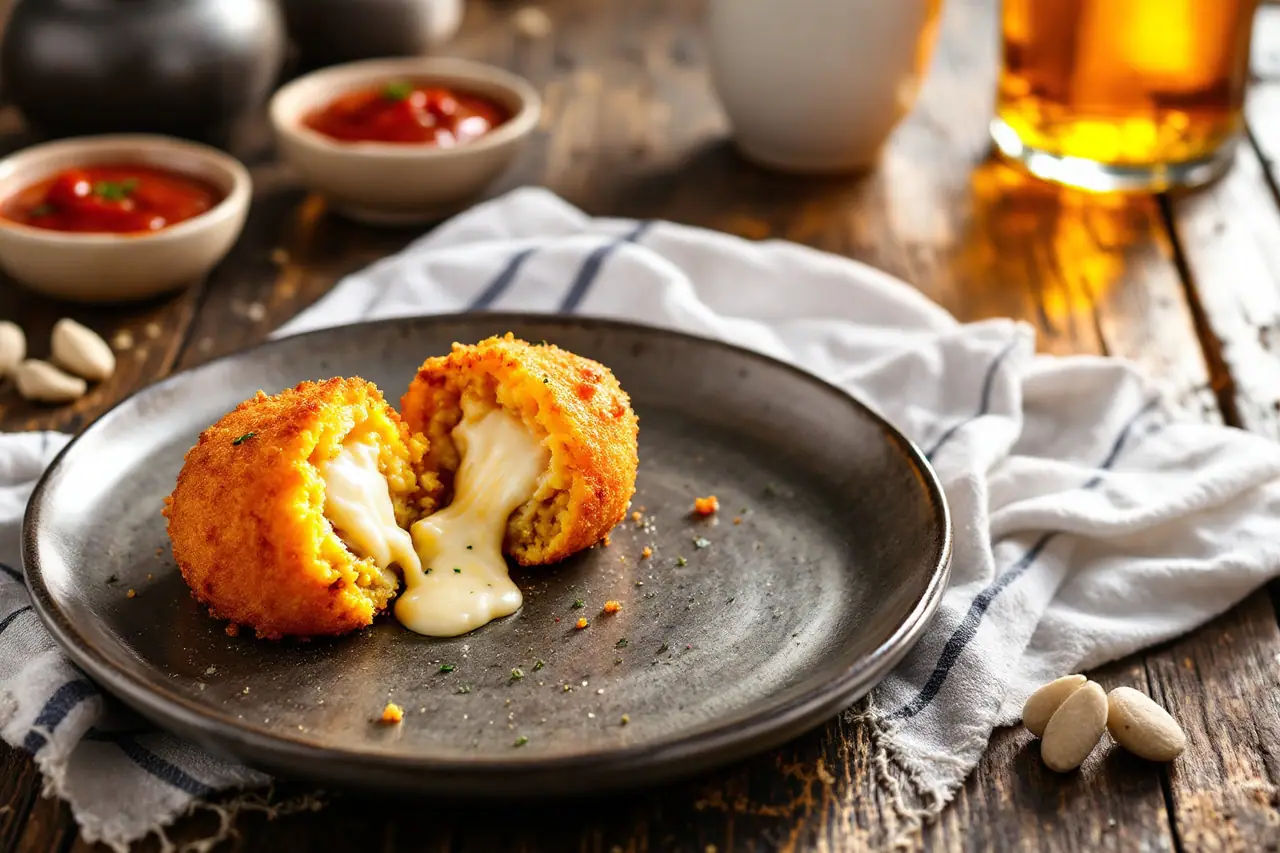
Arancini from leftover risotto, with a melting middle
Sicilian-style rice balls made from cold risotto, stuffed with mozzarella or ragù, rolled in breadcrumbs and fried crisp, plus a baked version and a quick risotto.
Cook this one →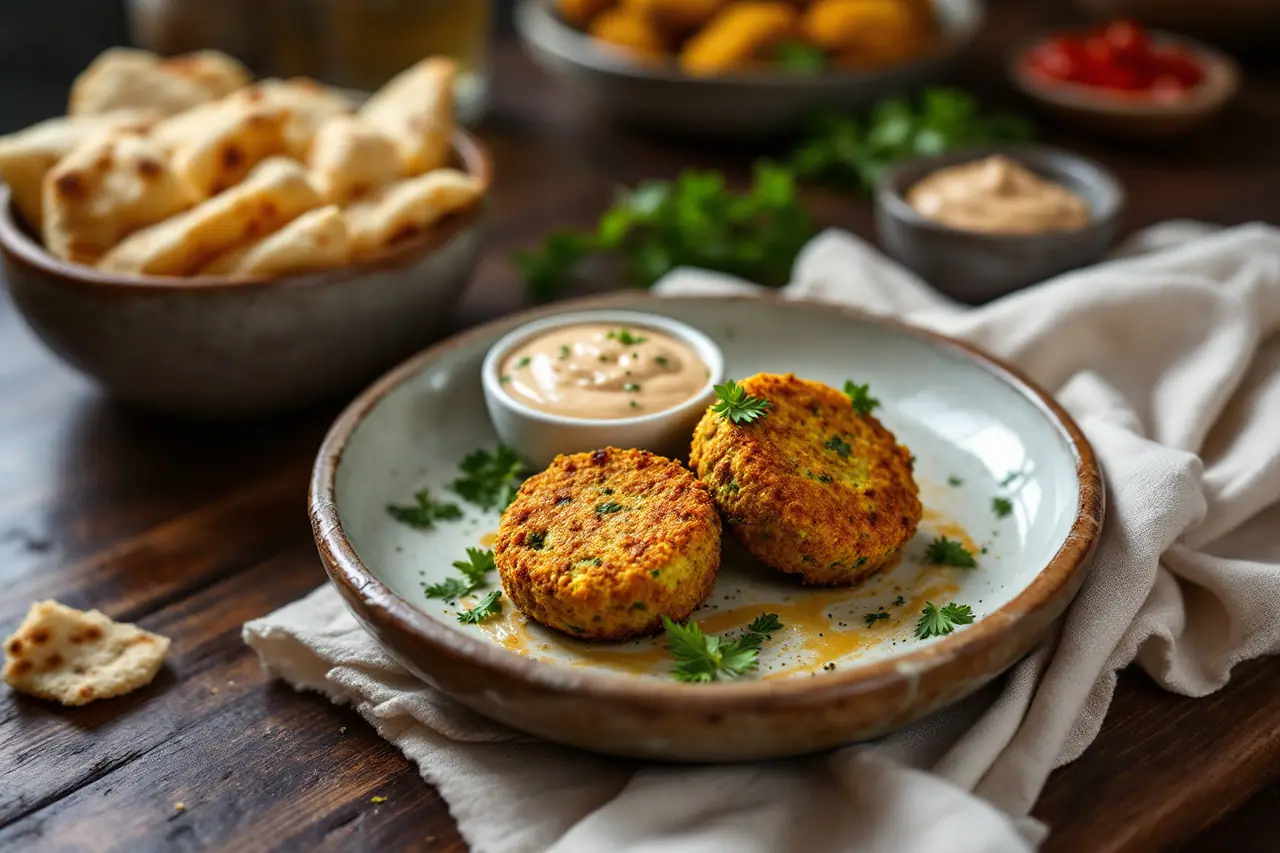
Falafel recipe from dried chickpeas, fried or baked
Crisp, green-flecked falafel made the traditional way from soaked dried chickpeas and herbs, with a deep-fried method, an oven version, and tahini sauce.
Cook this one →